Blog
Smart Home Tech in Twin Cities Rentals: What Renters and Landlords Should Know in 2026
Smart locks, thermostats, and leak sensors are showing up in more Twin Cities rentals. Here's what they actually do — and what renters and landlords should agree on before they're installed.
Author
Awayish Editorial Team
Published
Category
News

Author
Awayish Editorial Team
The Awayish Editorial Team shares practical guidance for renters and property partners in the Twin Cities—focused on clarity, efficiency, and better outcomes.
What’s better than insider perks, pro tips, and surprises?
Sign up to get the most recent blog articles in your email every week.
Join now.
Walk through a freshly turned-over apartment in Uptown or Cathedral Hill this spring and there's a good chance you'll see something that wasn't there two years ago: a smart lock on the front door, a Nest or ecobee on the wall, maybe a small puck-shaped sensor tucked behind the toilet. Smart home technology has quietly moved from luxury condos into everyday Minneapolis and St. Paul rentals — and that shift is changing what renters expect, what landlords budget for, and what both sides need to talk about before move-in.
If you're a renter wondering whether that camera in the hallway is okay, or a property manager weighing whether to put smart thermostats in your duplex, this guide is for you. Here's a practical look at what smart home tech is actually doing in Twin Cities rentals right now, and how to use it without stepping on anyone's toes.
Why Smart Home Tech Is Spreading in the Rental Market
The rental market in Minnesota is tightening. Construction of new multifamily units slowed through 2025, and Class B and C buildings — the kind most Twin Cities renters actually live in — are projected to see meaningful rent growth through 2026 as supply lags demand. In a market like that, landlords are looking for ways to differentiate aging units without gutting them, and renters are willing to pay a small premium for amenities that make daily life easier.
Industry data suggests smart home features can support rent premiums in the 5-15% range in competitive urban markets. Maybe more importantly for property managers, the same devices reduce the small recurring costs that quietly eat into operating budgets: locksmith calls, after-hours maintenance for water damage, frozen-pipe repair bills, and the chaos of coordinating contractor access.
That's why the four upgrades below are the ones you're most likely to encounter, in roughly that order.
The Four Devices Showing Up Most Often
1. Smart locks
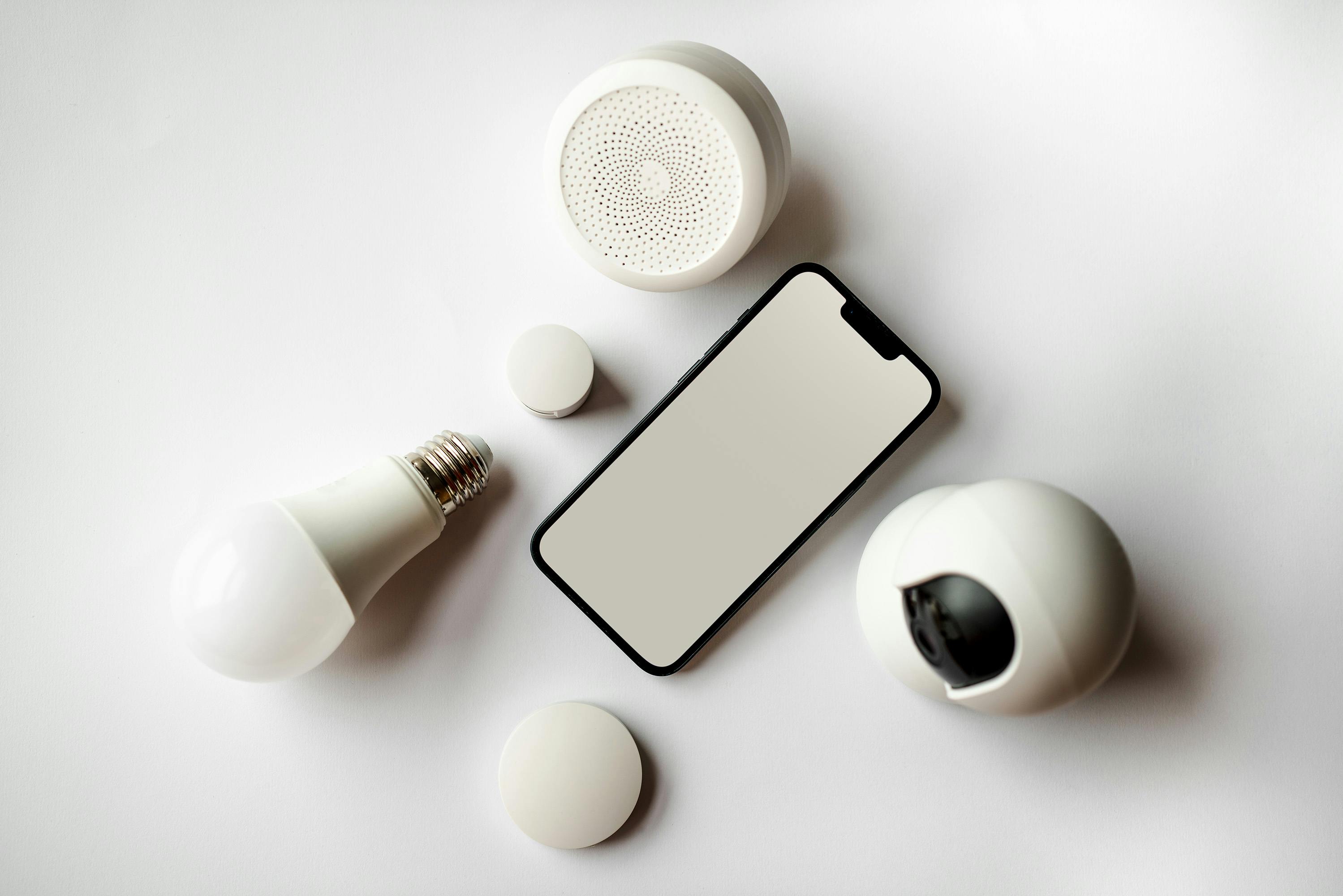
Smart locks are the gateway drug of rental tech. They replace the standard deadbolt with a keypad — sometimes a fingerprint reader or app — and let the property manager rotate codes between tenants without ever cutting a new key. For landlords, that means no more $75-150 lockset swap at every turnover and no more midnight calls when a tenant leaves their keys at the bar.
For renters, smart locks are usually a quiet win. You can give your dog walker or cleaner a one-time code, get notified when your roommate gets home, and stop carrying keys at all if you don't want to. The catch: ask your landlord up front whether they retain administrative access, and whether they get notifications when you come and go. Most reputable property managers don't track entry logs, but the capability exists, and it's a fair question to ask.
2. Smart thermostats
In Minnesota, where heating costs can swing a tenant's monthly bills by hundreds of dollars between July and January, a learning thermostat is one of the highest-ROI upgrades a landlord can make. Nest and ecobee devices learn occupancy patterns, dial back heat when the unit is empty, and prevent the all-too-Minnesotan scenario of a tenant cranking it to 78 because the windows are drafty.
If you're a tenant moving into a unit with a smart thermostat already installed, two things to confirm: that you control it day-to-day (you should), and whether the landlord has set any minimum/maximum temperature locks for pipe-freeze prevention. A floor of around 55°F when the unit is vacant during a Minnesota winter is reasonable. A landlord controlling your thermostat in real time while you're paying the heat bill is not.
3. Water leak sensors
This is the upgrade Twin Cities landlords don't talk about enough. A $20 leak sensor under the kitchen sink, behind the toilet, or near the water heater can catch a slow leak hours or days before it shows up as a ceiling stain on the floor below. In a region where pipes freeze, washing machines age out, and dishwashers fail in older Northeast Minneapolis duplexes, that early warning is the difference between a $50 service call and a $5,000 insurance claim.
Leak sensors generally don't capture any data about the tenant — they sit silently and only alert when they touch water. If you see one in your unit, it's almost certainly there to protect the building, not to monitor you.
4. Smart smoke and CO detectors
Upgraded combination smoke/CO detectors that send alerts to a landlord's phone are increasingly common in older Twin Cities housing stock, especially in pre-1980 buildings where carbon monoxide risk runs higher. Some insurance carriers offer premium discounts of up to 15% for connected safety devices, which is part of why landlords are adopting them faster than tenants might assume.
Where Smart Tech Gets Complicated: Privacy and Cameras
This is the conversation everyone needs to have, and it's the one most leases still don't address clearly.
A smart lock that logs entry codes, a doorbell camera pointed at a shared hallway, an in-unit camera left behind by a previous tenant — these are different situations with different rules. In Minnesota, landlords generally cannot install surveillance cameras inside a leased unit without tenant consent, and they should never have cameras in private spaces like bathrooms or bedrooms. Cameras in shared common areas of multifamily buildings are usually permissible if posted and disclosed.
If you're a renter, before you sign:
Ask which connected devices are installed and what data each one collects.
Ask who has access to that data, how long it's kept, and whether it can be shared with third parties.
Get any answer about cameras in writing, not just verbally.
If you're a landlord or property manager, the goal is transparency. Disclose every connected device in the lease, name the brand and what it does, and be specific about what you can and can't see. Tenants who feel surveilled don't renew, and the legal exposure for a poorly disclosed camera setup isn't worth the headache.
What Renters Can Add Themselves (Without Losing Their Deposit)
Not every renter is moving into a building that's been retrofitted, and that's fine. There's an entire category of renter-friendly smart devices designed to be installed without drilling, wiring, or modifying the unit:
Plug-in smart bulbs that work with existing lamps and screw-in fixtures.
Stick-on motion sensors for hallways and entryways.
Portable smart speakers that handle voice control without any installation.
Renter-friendly smart locks that retrofit over an existing deadbolt without replacing the lock cylinder — though always check with your landlord first.
Battery-powered leak sensors you can place yourself in problem spots.
The rule of thumb: if installing it requires drilling, rewiring, or replacing a hardwired device, ask your landlord. If it plugs in or sticks on, you're almost always fine.
The Minnesota Angle: Tech That Earns Its Keep in a Real Winter
Most smart home content is written for Sunbelt markets where the worst case is a hot afternoon. Minnesota changes the calculus. Up here, the smart home upgrades that actually pay for themselves are the ones that handle cold-weather problems: a thermostat that maintains a safe vacancy temperature, a leak sensor that catches a burst pipe at 3 a.m. on a January Tuesday, a smart plug on a window AC that turns off when nobody's home in July humidity.
The flashier stuff — voice-activated lighting scenes, smart blinds, app-controlled coffee makers — is fine, but it's not what's moving the needle in this market. If you're a landlord deciding where to spend $300 per unit, put it on the boring devices that prevent water damage and runaway utility bills. If you're a renter, the same logic applies in reverse: a $20 leak sensor behind your washing machine is the cheapest insurance policy you'll ever buy.
Looking Ahead
The direction of travel is clear. Smart locks, thermostats, and safety sensors are becoming standard in new and renovated Twin Cities rentals, and tenants increasingly expect them in the same way they once started expecting in-unit laundry. By the back half of 2026, expect to see more buildings advertising connected amenities right next to square footage and parking.
The trick — for everyone — is keeping the conversation honest. Tech that helps a tenant live more comfortably and a landlord operate more efficiently is a genuine win. Tech that's installed quietly without disclosure, or that crosses the line into surveillance, breaks trust in ways that no rent premium can repair.
Looking for a smarter way to find a Twin Cities rental that fits how you actually want to live? Awayish connects renters and property managers across Minneapolis and St. Paul, with listings and tools built around the way the local market actually works. Learn more at awayish.com.
Other Blogs