Blog
Smart Home Tech for Twin Cities Rentals: What's Actually Worth It in 2026
Smart locks, thermostats, freeze sensors — what's actually worth installing in a Twin Cities rental in 2026, for both landlords and renters.
Author
Awayish Editorial Team
Published
Category
Guide

Author
Awayish Editorial Team
The Awayish Editorial Team shares practical guidance for renters and property partners in the Twin Cities—focused on clarity, efficiency, and better outcomes.
What’s better than insider perks, pro tips, and surprises?
Sign up to get the most recent blog articles in your email every week.
Join now.
Walk through any rental open house in Minneapolis or St. Paul this spring and you'll hear the same questions: Does it have keyless entry? Is the thermostat smart? Can I control the lights from my phone? A few years ago these were nice-to-haves. In 2026, smart home tech for rental property is no longer a luxury feature — it's part of how renters compare units and how landlords protect their investment.
But not every gadget pulls its weight, and the cost of getting it wrong is real. Whether you're a property manager weighing upgrades for a fourplex in Northeast Minneapolis or a renter trying to make a Highland Park studio feel a little more 2026, this is what's worth your money — and what isn't.
What Twin Cities Renters Actually Expect in 2026
Tenant demand is driving most of the conversation. Recent industry surveys show that 62% of Gen Z renters say smart home features are "extremely important" when choosing a rental, and roughly 75% of renters across age groups would accept a $20 or higher monthly rent increase in exchange for upgraded tech. Smart amenities now rank among the top three reasons residents renew their leases.
That demand is concentrated where you'd expect it: walkable neighborhoods near the U of M, North Loop apartments serving downtown professionals, and St. Paul's Macalester-Groveland and Highland Park, where younger renters are leasing larger homes. Class B properties — well-maintained mid-tier rentals — saw the strongest leasing activity in the first quarter of 2026, partly because many of them have been retrofitted with the kind of tech that newer construction includes by default.
A roughly 2% year-over-year rent increase in Minneapolis and a 3% increase in St. Paul means landlords have a little more room to invest. And with about 4,200 new multifamily units scheduled for delivery in the metro this year — a slowdown from 2025 — existing rentals are competing harder on amenities than on supply.
The Four Upgrades With the Cleanest Payback
If you're a Twin Cities landlord and you only do four things, do these.
Smart thermostats
This is the easiest call in Minnesota. A Nest, ecobee, or comparable smart thermostat runs about $200 to $250 installed, and Xcel Energy's AC Rewards program offers a rebate when you install an eligible model and enroll. Some Minneapolis properties also qualify for additional bonus rebates through the Center for Energy and Environment.
The energy math is hard to ignore here. A smart thermostat can cut heating and cooling costs by 8 to 26% per year — meaningful in a state where January heating bills regularly cross $200 per unit. If your lease passes utilities through to tenants, smart thermostats become a marketing point. If you cover heat as part of rent (common in older Minneapolis fourplexes), the savings hit your bottom line directly.
Bonus: many smart thermostats can flag unusual temperature drops, which is the early-warning system you want on a rental property in February.
Smart locks and keyless entry
Replacing a deadbolt with a smart lock — Yale, Schlage Encode, or August are the usual suspects — costs $150 to $250 per door. The payback comes from two places. First, you stop paying $75 to $150 every time you change locks between tenants; you just rotate the access codes. Second, leasing speeds up because self-guided tours become possible, which matters in a market where renters routinely tour five or six units in a weekend.
For property managers handling multiple buildings across the metro, keyless entry also means no more late-night drives to Roseville to let a locked-out tenant in.
Video doorbells
A Ring or Nest Doorbell costs around $150 and addresses one of the top tenant pain points in any rental: package theft. Porch piracy has been a steady complaint in dense neighborhoods like Lowry Hill, Loring Park, and around Grand Avenue, and a visible doorbell camera reduces both the incidents and the after-the-fact frustration.
This is also one of the few smart home upgrades tenants can be asked to participate in setting up — they configure the app to their phone, you retain ownership of the device.
Leak and freeze sensors (the underrated Minnesota play)
Here's the upgrade most out-of-state landlord articles forget. A $30 leak sensor under a kitchen sink or behind a washing machine, plus a freeze sensor near vulnerable pipes, costs almost nothing and prevents the single most expensive rental disaster Minnesota landlords face: a frozen pipe burst during a sub-zero stretch.
Insurance claims for water damage average around $11,000 nationally and tend to run higher on older Twin Cities housing stock with original plumbing. Sensors that ping you the moment temperatures drop below 40°F in a vacant unit have paid for themselves many times over for the property managers we work with.
A Note on Minnesota's Specific Weather Math
Most national property tech advice glosses over the climate variable, and that's a mistake here. Minneapolis-St. Paul has roughly 7,800 heating degree days a year — nearly double the national average — which changes the ROI on anything thermal.
A smart thermostat that saves 15% in Phoenix might save you $90 a year. The same device in St. Paul can save $250 to $400 on a midsize unit. Smart vents, freeze monitoring, and humidity sensors all earn their keep faster here than they do almost anywhere else in the country.
It's also worth knowing that as of this spring, Minnesota's rental market is forecast to stay tight — vacancy rates are compressing as new supply slows, which means well-equipped rentals are leasing faster and turning less. Smart tech is a turnover-reduction strategy as much as a marketing one.
What Renters Can Do (When You Can't Drill Holes)
If you're the renter, you don't have to wait for your landlord to catch up.
Plug-in smart plugs from TP-Link or Wyze run $10 to $15 each and let you automate any lamp, fan, or coffee maker without modifying the unit. A portable smart hub like an Amazon Echo or Google Nest Hub gives you voice control over anything connected, and goes with you when you move.
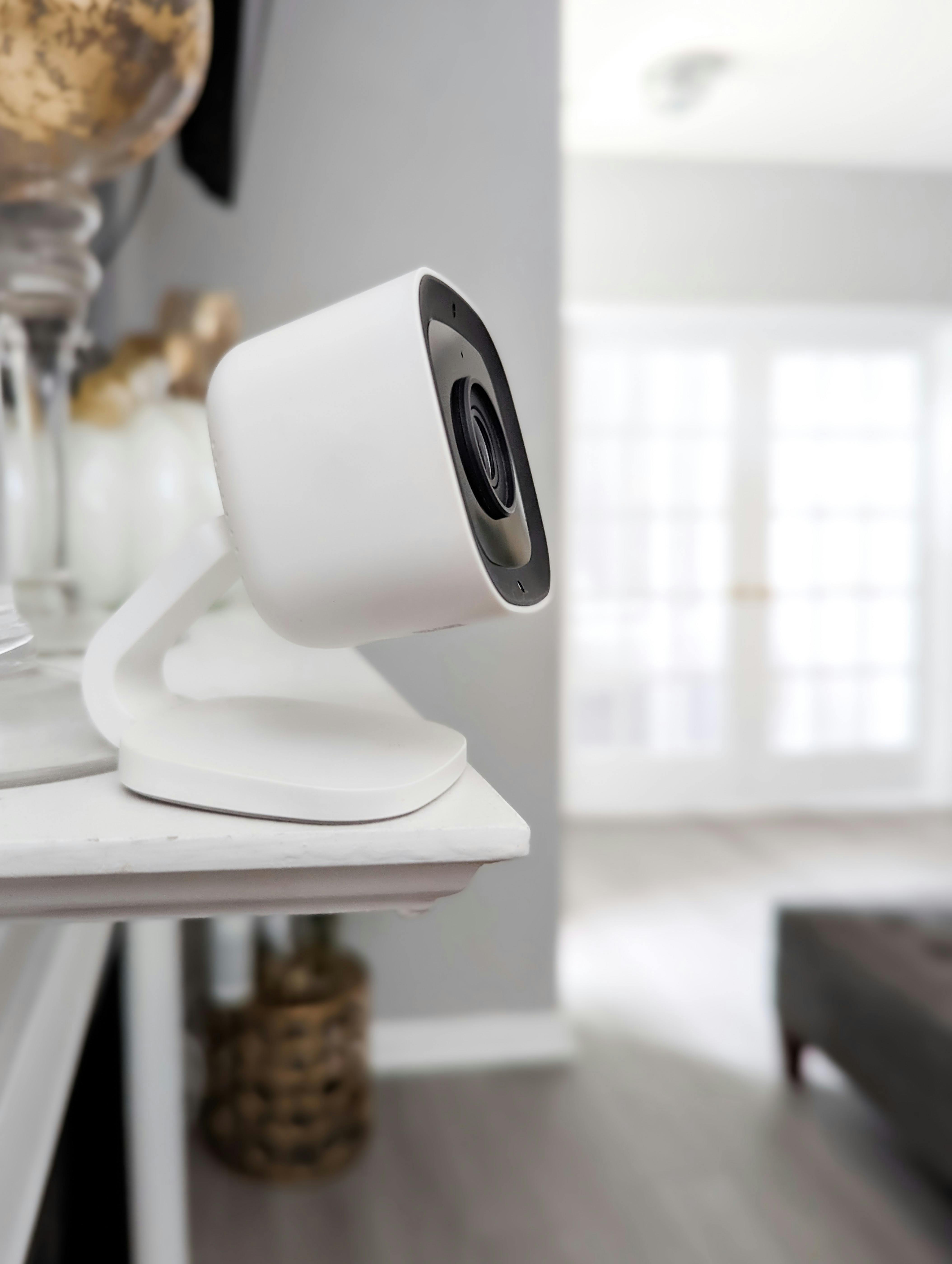
For security, battery-powered cameras like the Blink Mini or Wyze Cam can sit on a windowsill or bookshelf — no drilling, no wiring. Just check your lease before mounting anything outside, since some Twin Cities buildings restrict exterior modifications.
And if you're hunting for a new place this spring, ask about smart features early. About 32% of renters say a smart thermostat alone tips them toward one unit over another. The fact that you're asking signals to a property manager that you're a tech-comfortable tenant, which most owners actively prefer.
Mistakes to Avoid
A few things go wrong predictably.
Don't buy the cheapest device on Amazon. Off-brand smart locks have a reputation for going offline, locking tenants out, and forcing emergency calls — the opposite of why you bought one. Stick with brands that have local support and a real firmware update history.
Don't make Wi-Fi the tenant's problem by accident. If your smart devices need internet to function, decide upfront whether the building provides Wi-Fi to common areas or whether each tenant brings their own router. Mixing the two creates support headaches.
Don't over-instrument. A rental doesn't need every light bulb on a schedule and every blind on a motor. Pick the three or four upgrades with the clearest tenant value and the cleanest payback, and stop there.
And don't forget about privacy. Indoor cameras inside a tenant's unit are almost always a non-starter, both legally and reputationally. Doorbell and exterior cameras are fine; anything inside the lived space crosses a line.
The Bottom Line for 2026
The Twin Cities rental market is stable but competitive. Rents are growing modestly, supply is tightening, and tenants — especially the under-35 segment that drives most leasing activity in Minneapolis and St. Paul — increasingly expect the basics of smart home life to come standard.
Property managers who lean in see faster lease-ups, lower turnover, and meaningfully lower utility costs. Renters who lean in get more comfortable, more secure homes without waiting for the building to upgrade.
Looking for a smarter way to connect with rentals and property managers in the Twin Cities? Awayish helps Minnesota renters and PMs work together on a single platform, with the tech baked in. Learn more at awayish.com.
Other Blogs